
Quick answer: The best winter driving tips start before you ever touch the gas pedal — proper tire tread, fresh fluids, a stocked emergency kit, and slower, smoother inputs on the road. The real skill isn’t fighting a skid after it starts; it’s driving in a way that never invites one. Preparation and patience beat horsepower and confidence every time.
I’ve spent a fair amount of time around folks who do dangerous jobs for a living — linemen working ice storms, tow truck drivers who get called out at 3 a.m. because someone thought their all-season tires were “probably fine.” There’s a common thread: the people who stay safe aren’t the ones with the fanciest gear. They’re the ones who respect the conditions and prepare like the weather owes them nothing. That’s the mindset behind every effective winter driving tip, and it’s the same mindset that keeps you out of a ditch.

Winter driving isn’t glamorous. Nobody brags about a smooth commute through freezing rain. But the numbers don’t lie — the Federal Highway Administration reports that nearly 24% of weather-related vehicle crashes happen on snowy, slushy, or icy pavement, and over 1,300 people die every year in crashes on icy roads alone. That’s not a scare tactic. That’s what happens when a two-ton machine meets a frictionless surface and a driver who didn’t plan ahead.
This guide covers everything you need to know about safe winter driving: what to check on your vehicle before the season starts, what gear to pack, how roads actually behave in cold weather, and what to do when things go sideways — literally.
Vehicle Maintenance: Your First and Most Important Winter Driving Tip
You wouldn’t send a plow truck out with bald tires and a half-dead battery, so don’t do it with your sedan either. Winter exposes every weakness your car has been hiding since spring.
Tire Inspection and Winter Tire Selection
Tires are where the rubber meets the road — and they’re the single biggest factor in how your car handles snow and ice. Check your tread depth: anything under 4/32 of an inch is asking for trouble on wet or icy pavement. A quarter works fine for this test — stick it in the tread with Washington’s head upside down, and if you can see all of his head, it’s time for new tires.
All-season tires are a compromise, not a solution. If you live somewhere with real winters — sustained temperatures below 45°F and regular snowfall — dedicated winter tires make a measurable difference in stopping distance and traction. Their rubber compound stays flexible in the cold, where all-season rubber hardens and loses grip.
Battery Health Checks and Cold Weather Performance
Cold weather is brutal on batteries. A battery that cranks your engine just fine in July can struggle in January because cold temperatures slow the chemical reaction that generates power. A battery at 0°F has roughly half the cranking power it has at 80°F. Have your battery tested before winter hits — most auto parts stores do it for free — and replace it if it’s more than three or four years old.
Fluid Levels: Antifreeze, Oil, and Windshield Washer Fluid
Check your coolant mixture. A 50/50 antifreeze-to-water ratio protects most engines down to around -34°F, but if your coolant is old or diluted, that protection drops fast. Switch to a winter-weight oil if your manufacturer recommends it — thinner oil flows better in cold starts and reduces engine wear. And don’t overlook your washer fluid. Regular fluid can freeze on your windshield, so swap in a winter-rated formula that resists freezing down to -20°F or lower.
Brake System Inspection and Functionality
Winter demands more from your brakes than any other season. Have your brake pads, rotors, and lines inspected before the first snowfall. Worn brakes that are barely adequate in summer become genuinely dangerous on slick roads, where stopping distances already increase significantly.
Essential Winter Driving Gear to Keep in Your Car
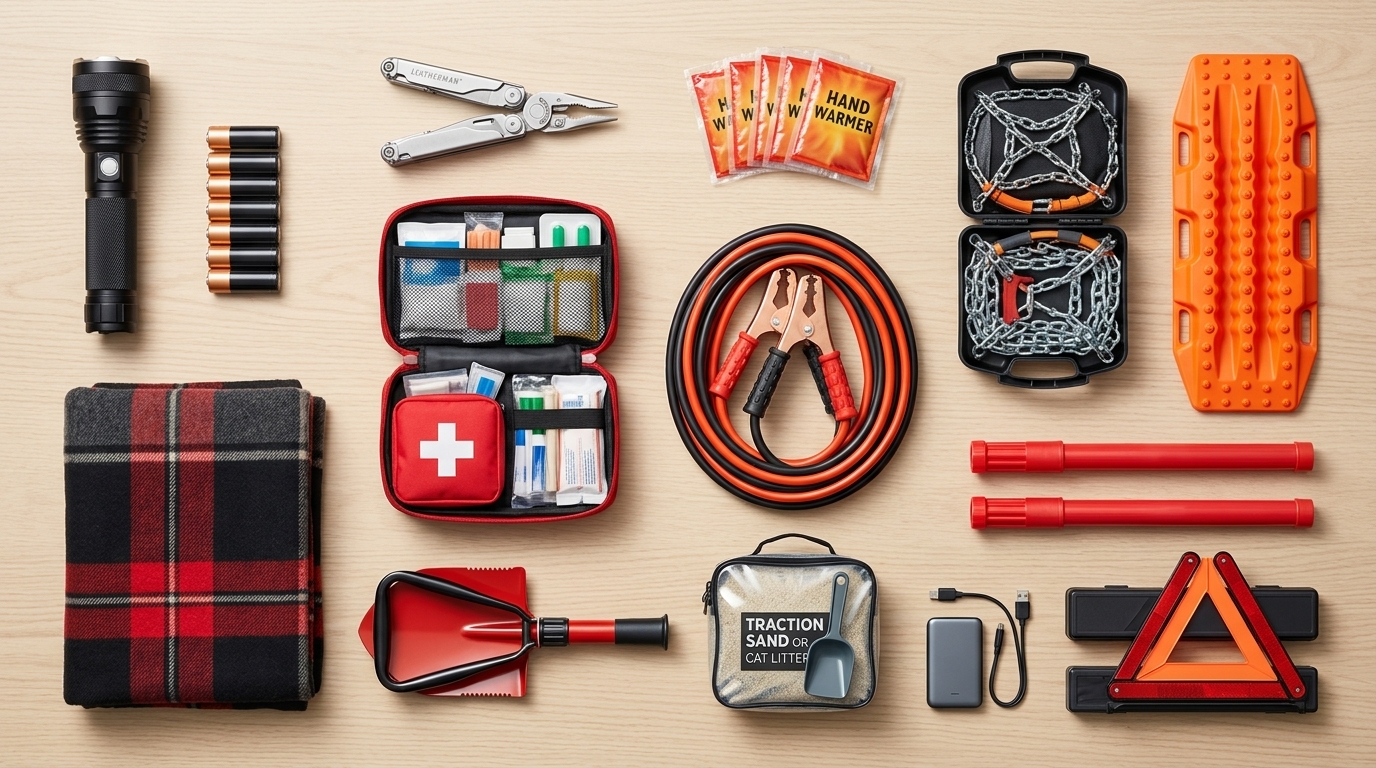
Every good tradesman keeps a kit in the truck for when things go wrong. Safe winter driving demands the same mentality.
Emergency Kits and Their Contents
A basic winter emergency kit should include a flashlight with extra batteries, a multitool or knife, a small shovel, sand or cat litter for traction, road flares or reflective triangles, and a phone charger that doesn’t depend on your car battery. Keep it in the trunk — not buried under gear you’ll never find in an emergency.
For the best emergency kit for vehicles – Click Here
Blankets, Flashlights, and First Aid Supplies
If you get stranded, your car becomes your shelter — and shelter without insulation is just a metal box. Pack a couple of heavy blankets, hand warmers, and a basic first aid kit. These items take up minimal space but matter enormously if you’re waiting hours for help on a rural highway.
Jumper Cables, Tire Chains, and Traction Aids
Jumper cables are non-negotiable. If you drive through mountain passes or areas with chain requirements, keep a set of tire chains in your trunk and know how to install them before you need to — not while you’re pulled over on a dark shoulder. Traction mats or a bag of sand can get you unstuck from ice or packed snow.
To find the best jumper cables for winter driving – Click Here
Communication Devices and Backup Power
Cell service isn’t guaranteed everywhere, especially in remote or mountainous areas. A portable battery pack for your phone is cheap insurance. If you regularly drive through areas with poor coverage, consider a satellite communicator or a basic CB radio.
How Winter Road Conditions Affect Your Driving
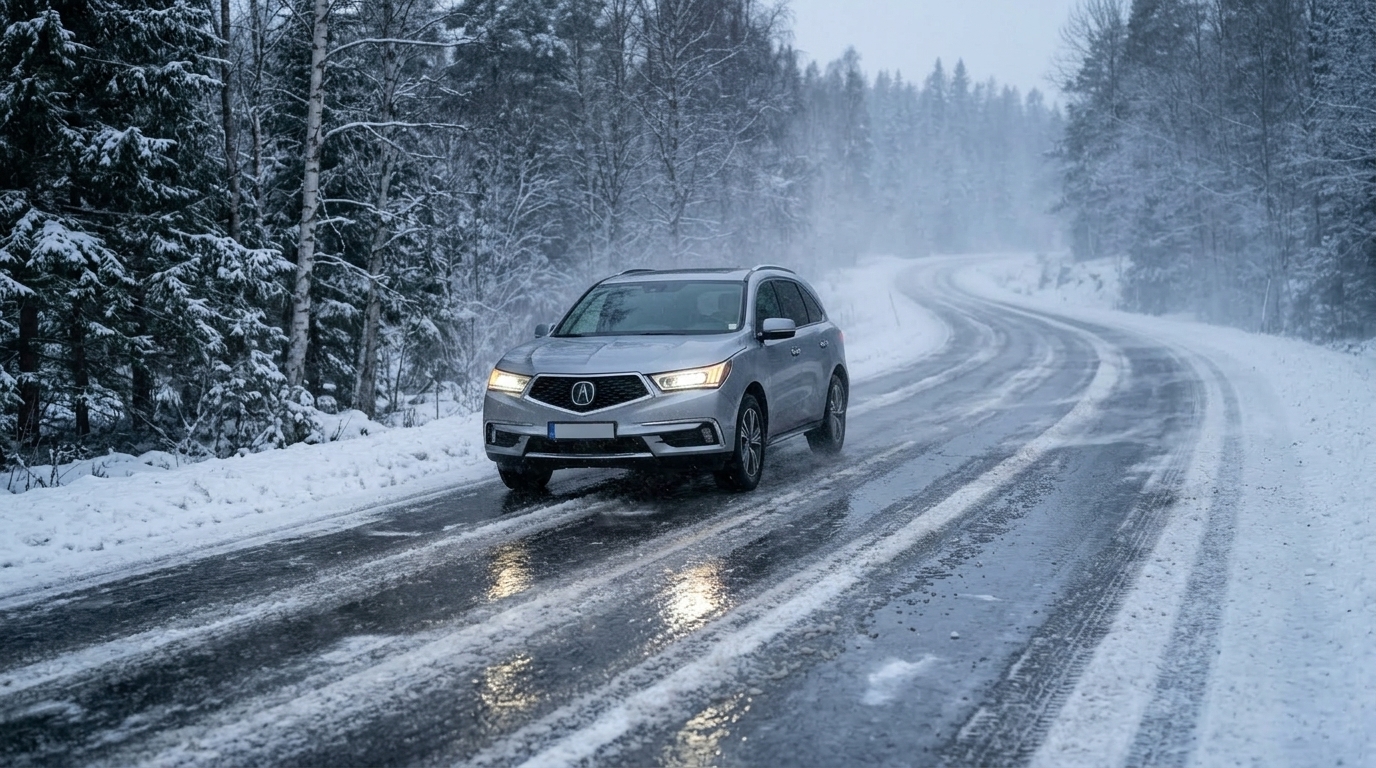
Understanding the road isn’t optional — it’s the difference between reacting and anticipating.
Black Ice: The Invisible Hazard
Black ice forms when a thin, nearly invisible layer of ice coats the pavement, often on bridges, overpasses, and shaded areas where the sun doesn’t reach. It’s most common at dawn and dusk when temperatures hover around freezing. If the road suddenly looks unusually dark and glossy, or your tires go quiet, treat it as black ice until proven otherwise.
Snow-Covered Roads and Reduced Visibility
Snow reduces both traction and visibility simultaneously — a dangerous combination. Packed snow can actually offer more predictable grip than slushy, half-melted snow, which hides ruts and ice patches underneath. Slow down before you’re in it, not after.
Hydroplaning Risks and How to Prevent Them
Hydroplaning happens when water builds up faster than your tires can channel it away, causing your car to lose contact with the road. It’s more common in freezing rain and slush than most drivers expect. Reducing speed and avoiding hard steering inputs in standing water are your best defenses.
Mountain Driving and Elevation-Related Hazards
Elevation changes conditions fast. A dry road at the base of a mountain pass can turn to snowpack within a few thousand feet of climbing. Check road condition reports before mountain travel, and carry chains even if the forecast looks clear at your starting point.
Defensive Winter Driving Techniques That Actually Work
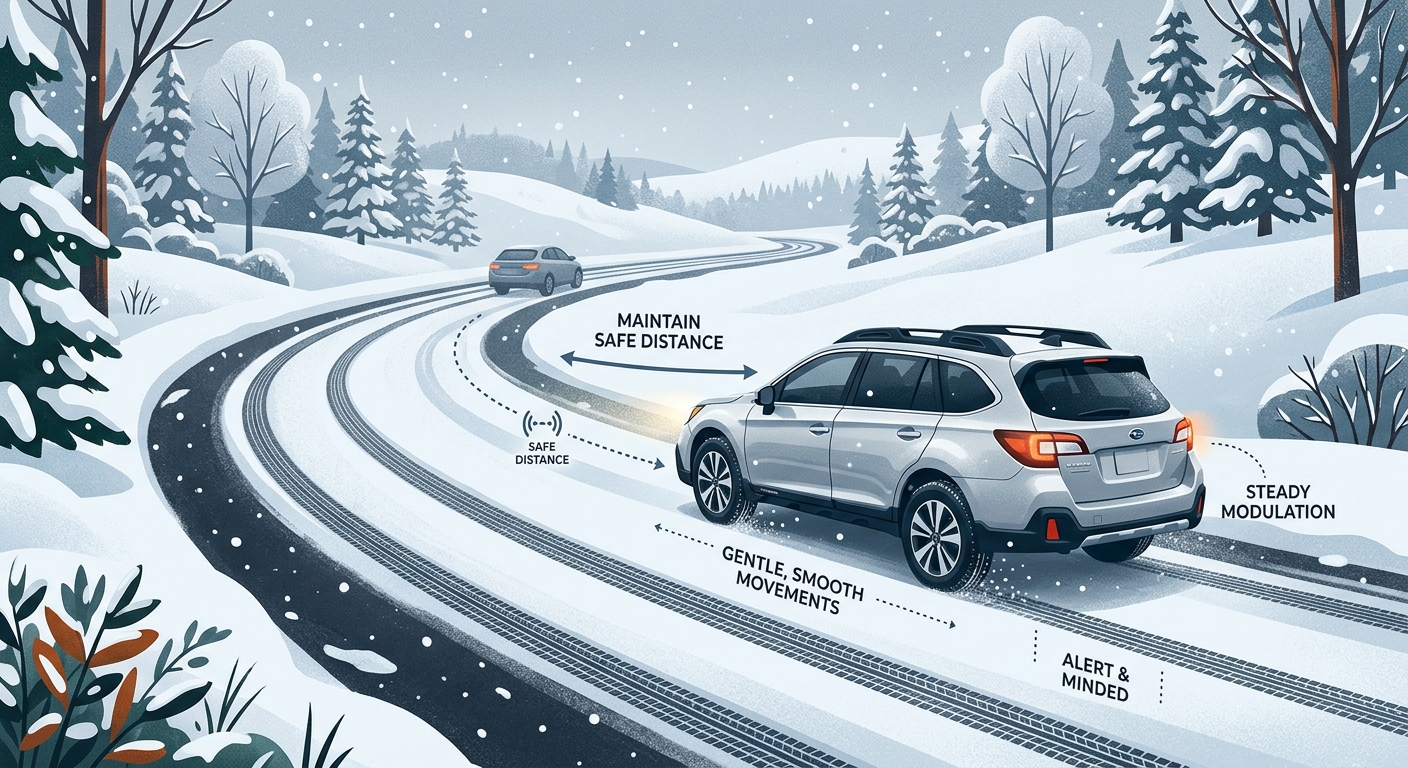
This is where preparation turns into skill. The best winter driving tips aren’t about fancy maneuvers — they’re about restraint.
Increase Your Following Distance
On dry pavement, a three-second following distance is standard. In winter conditions, stretch that to eight to ten seconds. According to the U.S. Department of Transportation, stopping distances on ice can be up to ten times longer than on dry pavement.
Adjust Your Speed for the Conditions
The posted speed limit assumes dry pavement. In snow or ice, that number reflects summer conditions, not winter ones. Drive to match the road, not the sign.
Use Smooth Acceleration and Deceleration
Jerky inputs — sudden gas, sudden brake — are what break traction. Smooth, gradual acceleration and deceleration keep your tires gripping instead of spinning. Think of it as easing into the throttle rather than stomping on it.
Master Steering and Braking to Avoid Skids
Avoid combining steering corrections and braking inputs at the same time. Slow down before a curve, not during it. Sudden combined inputs are one of the most common causes of loss of control on icy roads.
What to Do If You Skid or Slide on Ice
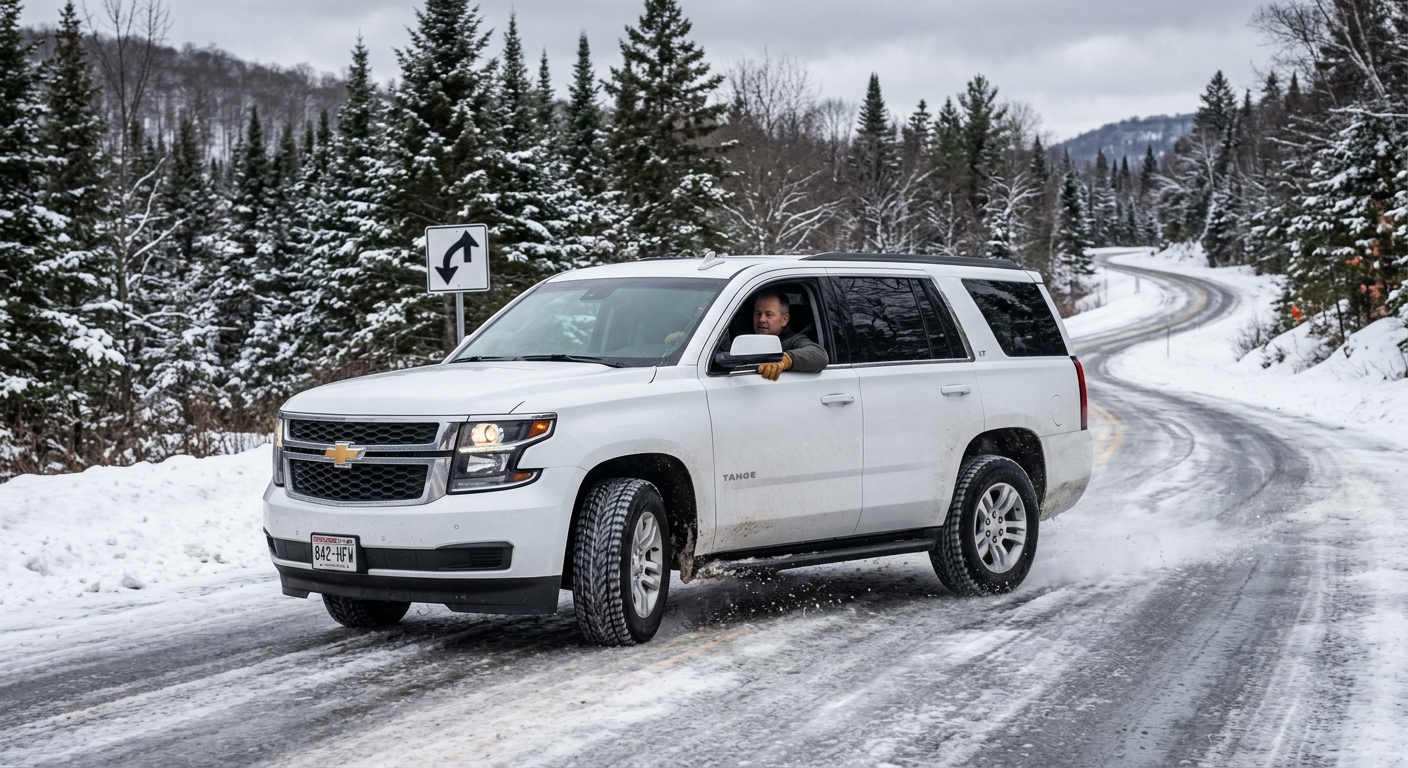
Even careful drivers skid sometimes. What you do in the next two seconds matters more than anything else.
Recognize the Type of Skid
A rear-wheel skid feels like the back end swinging out. A front-wheel skid makes the steering wheel go light and unresponsive. Knowing which one you’re dealing with determines your response.
Step-by-Step Skid Recovery
Ease off the gas immediately. Steer gently toward the direction you want the car to go — not necessarily where it’s currently pointed. Avoid slamming the brakes, which can worsen the skid. Let the car regain traction before making further corrections.
Antilock Brakes Versus Standard Braking
If your vehicle has antilock brakes (ABS) — standard on most cars built after the mid-2000s — apply firm, steady pressure and let the system pulse for you. Don’t pump the brakes manually. On older vehicles without ABS, gentle pumping helps prevent wheel lockup.
Stay Calm and Make Small Corrections
Panic turns a minor skid into a serious accident. Keep your hands steady, your eyes focused ahead, and your inputs small. Overcorrecting is often worse than the original skid.
Winter Driving Planning: Prep Before You Leave the Driveway
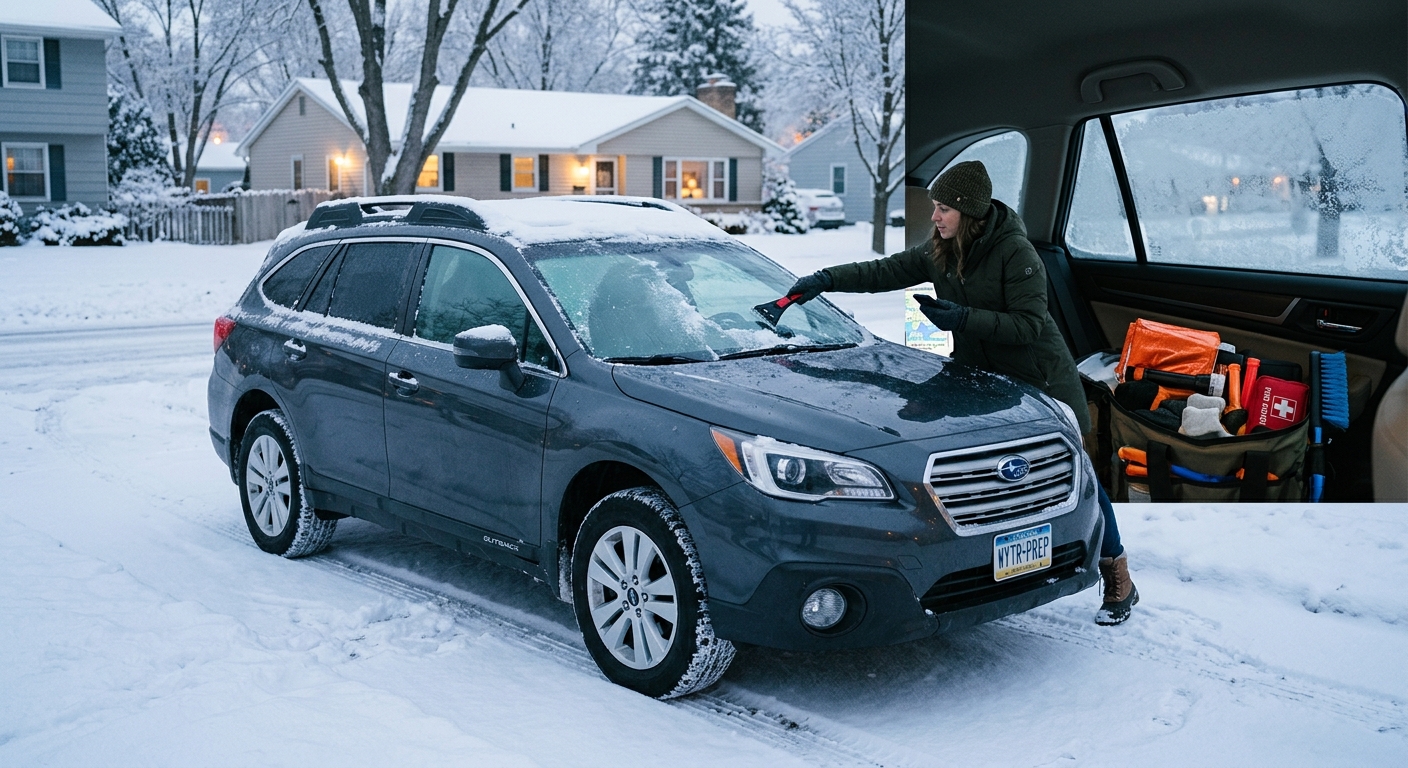
Half the battle happens before you start the engine.
Check Weather Forecasts Along Your Entire Route
Check the forecast not just for your starting point but for your entire route — especially on longer trips. Conditions 100 miles down the highway can be completely different from what’s happening outside your window right now.
Choose Safer Routes
Main roads and highways get plowed and salted first. When you have a choice, favor routes that are more likely to be maintained, even if it adds a few minutes to your trip.
Leave Earlier Than You Think You Need To
Giving yourself extra time removes the pressure that pushes drivers to speed on bad roads. Leaving fifteen minutes early is far cheaper than a repair bill — or an ER visit.
Tell Someone Your Plans
Share your route and expected arrival time with a friend or family member before long winter drives, especially in rural or remote areas. It’s a simple habit that makes a real difference if something goes wrong.
Cold Weather Vehicle Performance: What to Watch For
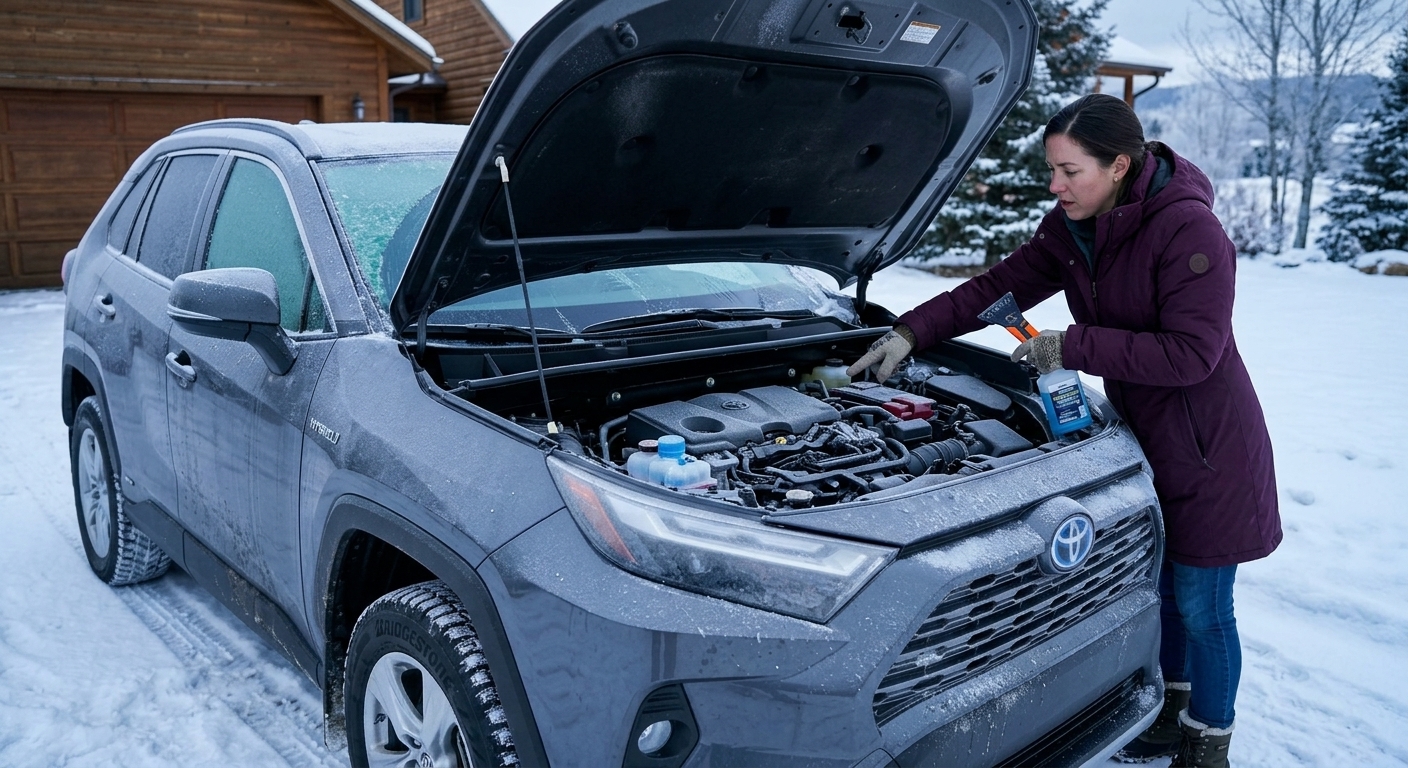
Cold doesn’t just affect the road. It affects the machine underneath you.
Engine Starting Problems in Extreme Cold
Extreme cold thickens oil and stresses your battery at the same time. If your engine struggles to start, avoid cranking it repeatedly — that drains the battery further. Give it a moment between attempts.
Defrosting Windows and Mirrors Completely
Never drive with a partially cleared windshield. Run your defroster on high with the AC on — yes, AC, because it dehumidifies the air and clears fog faster — and clear every window and mirror before you move.
Use Your Heater and Defroster Strategically
Visibility is safety. Use your rear defroster and side mirror heaters if equipped. Don’t rely solely on the front windshield defroster to handle the whole vehicle.
Keep Your Gas Tank at Least Half Full
A fuller tank reduces the risk of condensation forming and freezing in your fuel lines. It’s a small habit that prevents a big headache — and keeps you moving if you get stranded and need to run the heater.
Winter Driving Tips for Specific Conditions
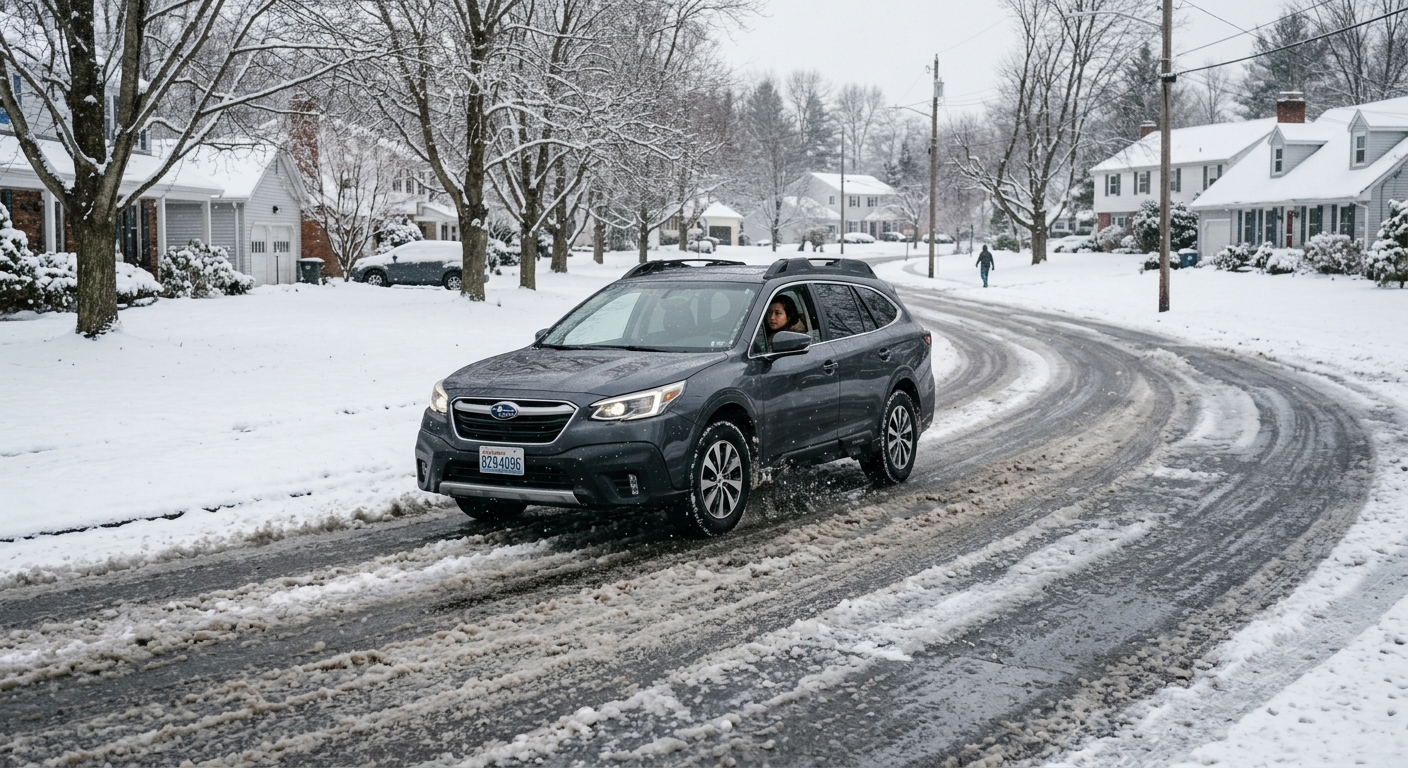
Not all winter weather behaves the same way, and treating it like it does is a mistake.
Whiteout Conditions and Near-Zero Visibility
If you hit a whiteout, slow down gradually, turn on your hazard lights, and find a safe place to pull completely off the road. Never stop in a traffic lane — that’s how multi-vehicle pileups start.
Ice Versus Snow: Know the Difference
Snow generally offers more grip than ice because it compresses under your tires. Ice offers almost none. Treat any glossy or wet-looking pavement in freezing temperatures as ice, regardless of how it looks from a distance.
Bridge and Overpass Icing
Bridges and overpasses freeze before the surrounding roadway because cold air circulates both above and below them. Slow down before you reach one, not while you’re on it.
Rural Versus Urban Winter Roads
Urban roads get plowed and salted more frequently, but they carry more traffic and more risk of sudden stops. Rural roads see less maintenance but often less congestion. Adjust your expectations for each environment, and never assume a rural road has been treated.
Post-Drive Vehicle Care During Winter
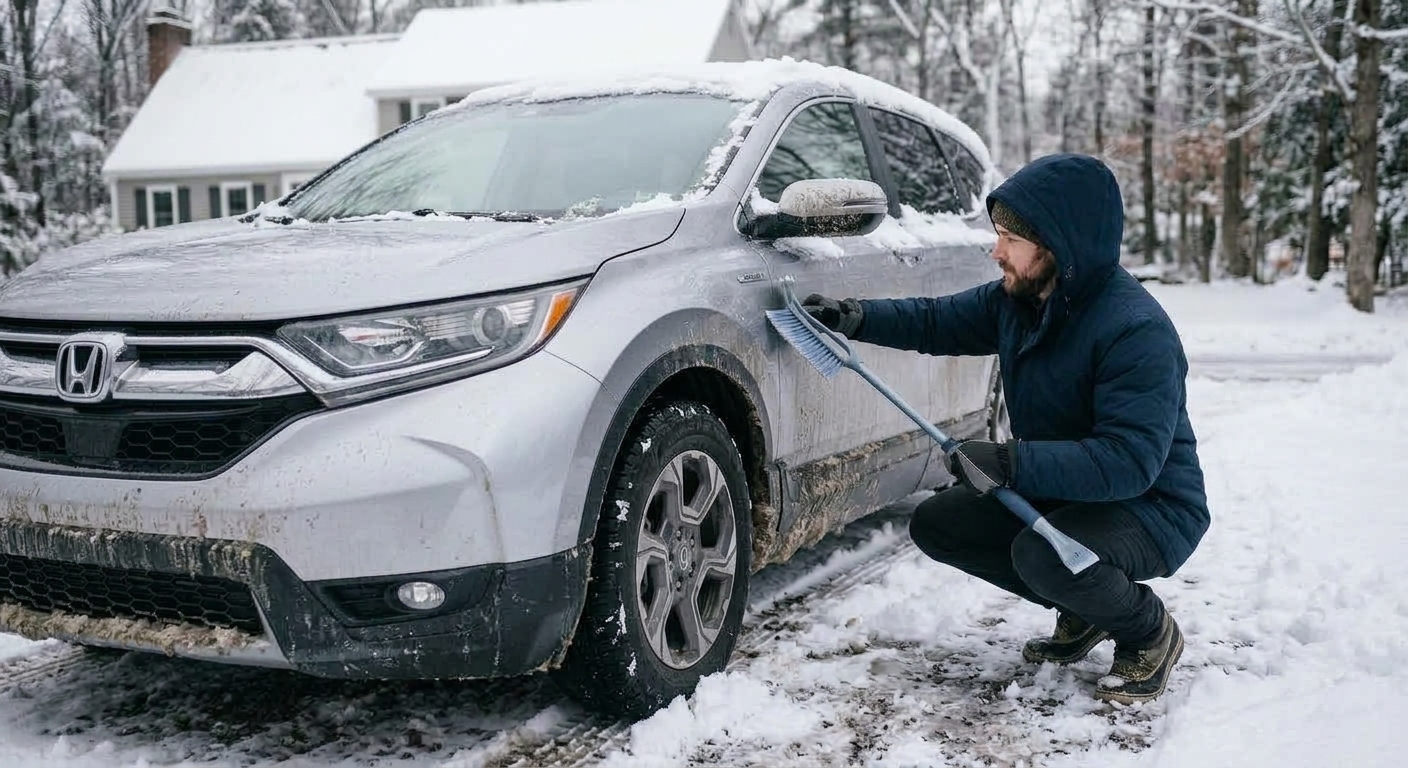
The job isn’t done when you park the car.
Clear Snow From Your Entire Vehicle
Remove snow from your roof, hood, and trunk — not just the windshield. Snow flying off your roof can obscure the driver behind you, and in many states, it’s a ticketable offense.
Wash Your Undercarriage Regularly
Road salt is effective at melting ice and brutal on your vehicle’s undercarriage. Rinse the underside of your car periodically throughout winter to prevent rust and corrosion from building up where you can’t see it.
Check Battery Terminals for Corrosion
After heavy winter use, inspect your battery terminals for corrosion buildup and keep them clean. A little maintenance now prevents a dead battery when temperatures drop again.
Schedule a Post-Winter Checkup
Once the season turns, inspect your tires, brakes, and fluids again. Winter is hard on a vehicle, and a post-season checkup catches problems before they become expensive repairs.
Conclusion: Put These Winter Driving Tips to Work Before the Season Starts
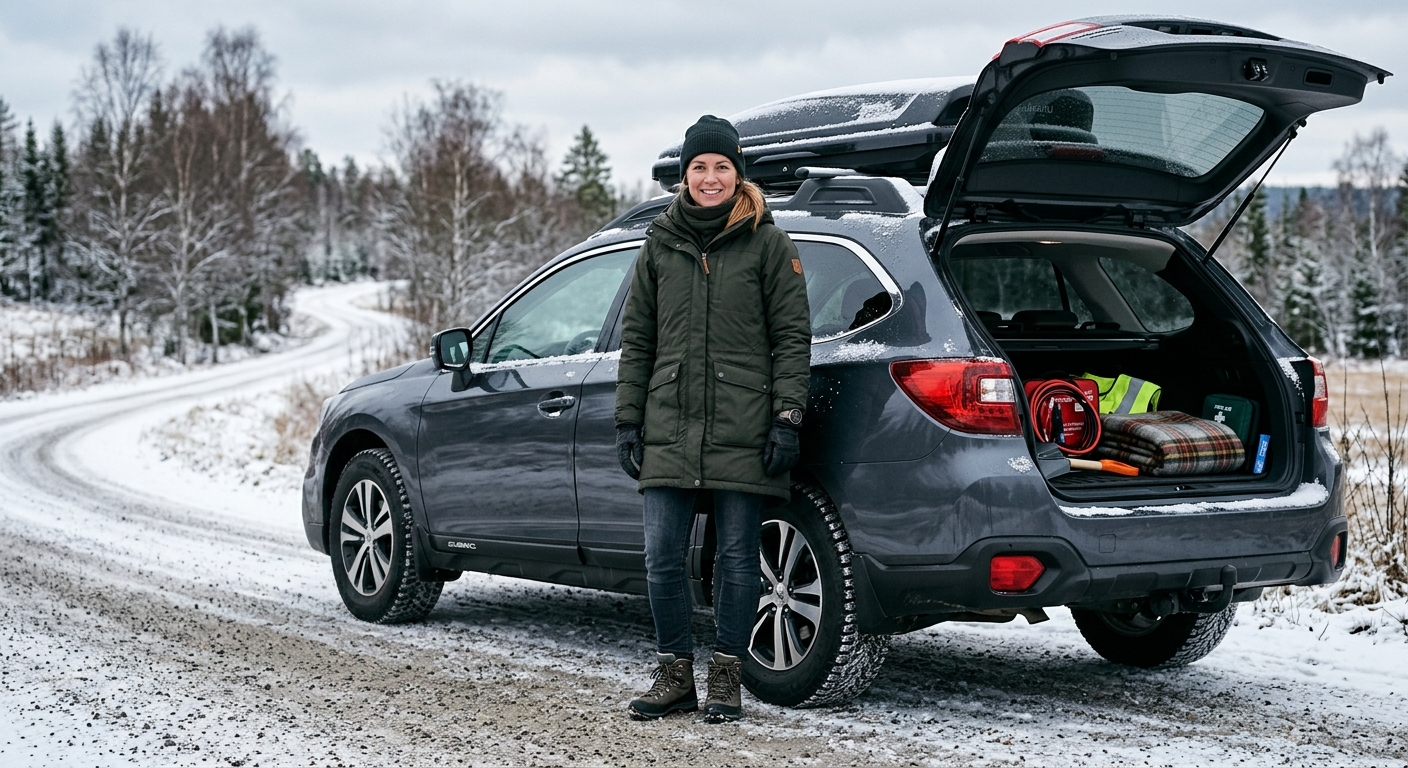
The most effective winter driving tips all share a common thread: they reward preparation over reaction. Check your vehicle before cold weather arrives. Pack the gear you hope you’ll never need. Slow down, increase your following distance, and keep your inputs smooth. And when conditions get tough — because they will — know how to respond calmly instead of panic-braking into a skid.
You don’t need special driving talent to stay safe in winter. You need attention, patience, and a willingness to do the unglamorous prep work before conditions force your hand. The drivers who make it through rough seasons without incident aren’t lucky — they’re ready. Start applying these winter driving tips now, before the first snowfall hits, so they’re second nature when you need them most. Bookmark your state’s Department of Transportation website for real-time road condition updates, and consider a defensive driving course if you want hands-on practice before winter fully sets in.
Frequently Asked Questions About Winter Driving
How much should I slow down when driving in snow or ice?
There’s no universal number, but a reliable rule is to reduce your speed by at least half compared to dry conditions — more if visibility is poor or the road looks icy. Let your vehicle’s behavior guide you, not the posted speed limit.
Are winter tires really necessary, or will all-season tires work?
All-season tires are adequate for mild winters with occasional light snow. In climates with sustained cold and regular snowfall, dedicated winter tires offer meaningfully better traction and shorter stopping distances — because their rubber compound stays pliable at low temperatures.
What’s the most common winter driving mistake?
Combining steering and braking at the same time is one of the top causes of winter skids. Slowing down before a curve rather than during it prevents most of these situations.
What should every winter emergency car kit include?
At minimum: a flashlight, blankets, hand warmers, jumper cables, a small shovel, sand or traction aids, a first aid kit, and a portable phone charger. These items are inexpensive, take up little space, and can be critical if you’re stranded.
Is cruise control safe to use in winter driving conditions?
No. Cruise control limits your ability to make instant speed adjustments and can contribute to loss of control when tires lose traction. Avoid it any time roads are wet, snowy, or icy.
What is black ice and how do I spot it?
Black ice is a thin, nearly transparent layer of ice on the pavement that’s extremely difficult to see. It often appears as a slightly darker, glossy patch on the road and is most common on bridges, overpasses, and shaded stretches at dawn or dusk when temperatures are near freezing.
